

Signs You Need Home Buying Assistance in Santa Barbara, CA
Santa Barbara's housing market moves fast and prices run high. Here's how to spot the signs you need professional home buying assistance — and how to get it right the first time.

What Should You Know Before Buying a Home in Santa Barbara, CA?
Santa Barbara‘s housing inventory is tight, and prices have stayed well above the California median for years — making it one of the most competitive markets on the West Coast. If you’re searching for the best home buying assistance company Santa Barbara has to offer, the market conditions alone explain why professional guidance matters.
As of 2025, the median home price in Santa Barbara hovers between $1.5 million and $2 million depending on the neighborhood and property type. Homes in the Riviera and Hope Ranch regularly list above $3 million, while condos in Goleta or the Eastside can start closer to $700,000. Even at the lower end, that’s a significant financial commitment that rewards careful preparation.
Inventory levels (the number of active listings at any given time) have stayed below 2 months of supply in recent years — well under the 6 months that signals a balanced market. That means buyers face multiple-offer situations regularly, and homes that are priced right often go under contract within 7 to 14 days of listing.
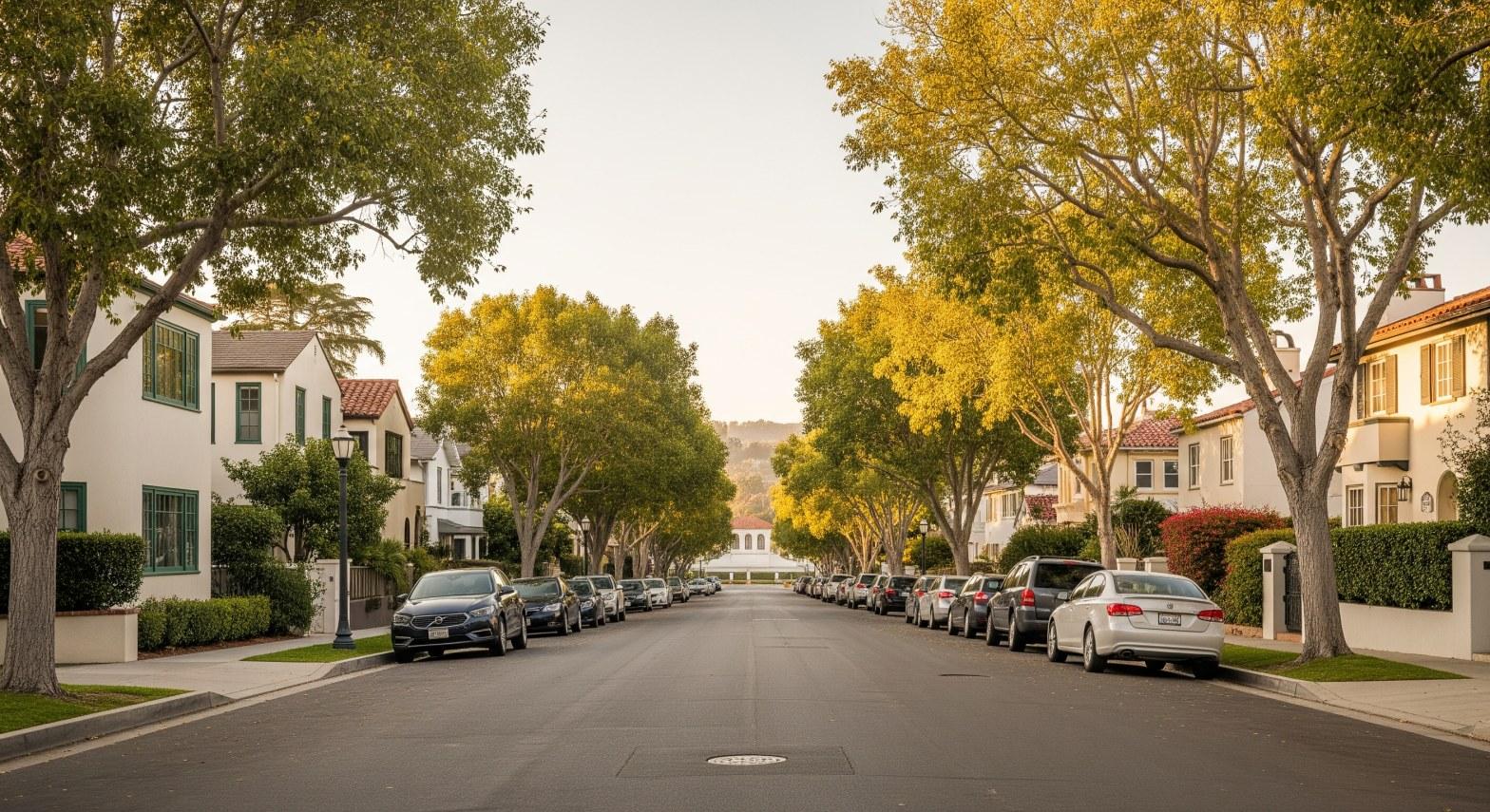
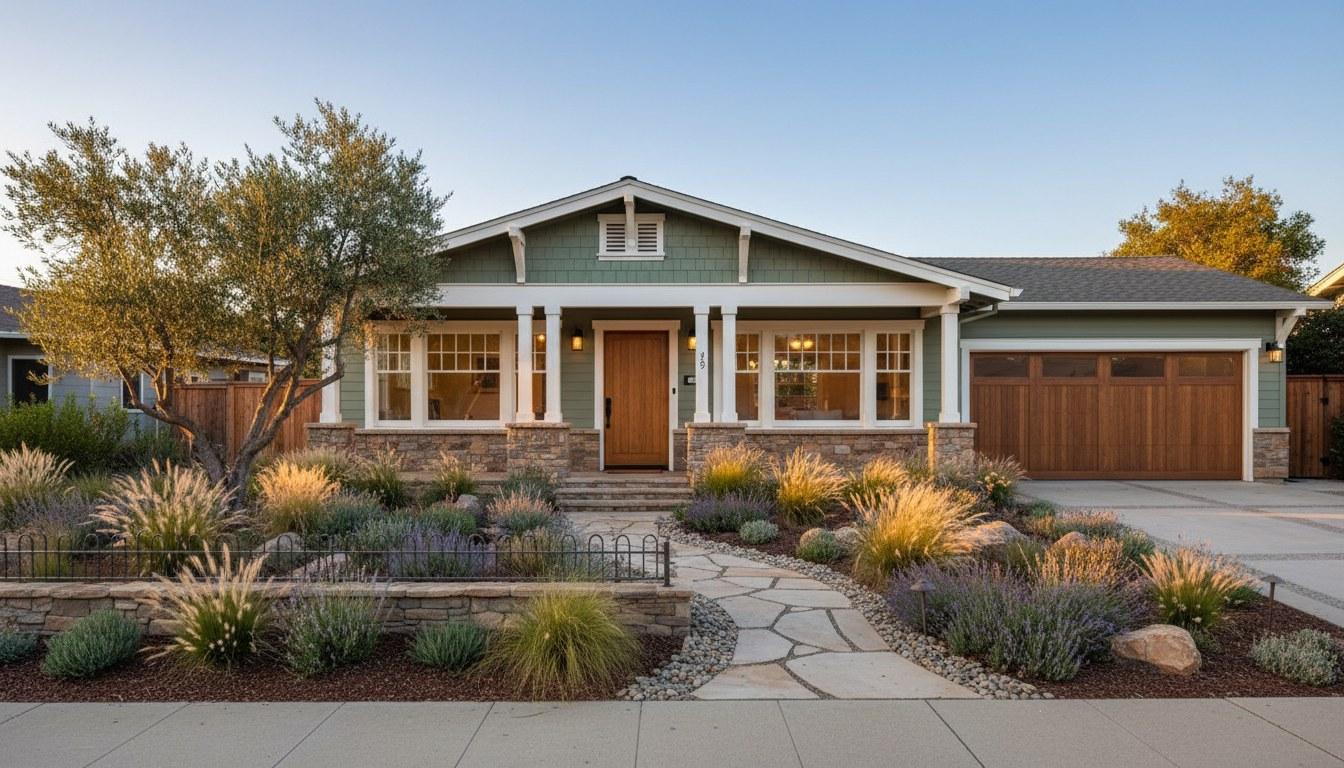
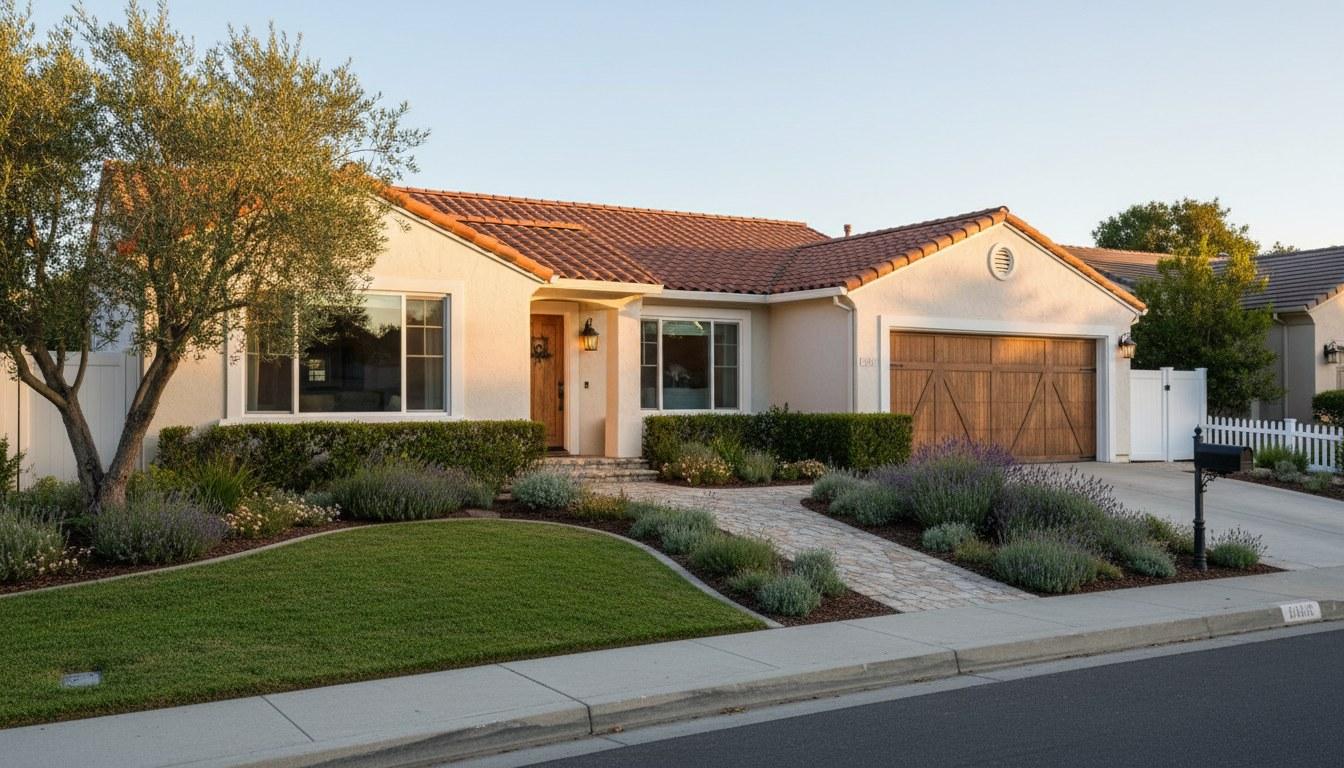
Santa Barbara’s coastal Mediterranean climate also shapes the housing stock. Most homes are single-family Spanish Colonial or Craftsman-style properties built between the 1920s and 1970s, with older plumbing, electrical, and roofing systems that require thorough inspection. Marine-layer moisture near the Mesa and Eastside neighborhoods accelerates wear on exteriors and crawl spaces — something a buyer’s agent familiar with the area will flag before you’re under contract.
How Does the Home Buying Process Actually Work in Santa Barbara?
The Santa Barbara home buying process follows California’s standard transaction framework, but the pace and price point make each step higher-stakes than in most other markets. Most transactions close in 30 to 45 days once a purchase agreement is signed.
Here is how the process typically unfolds, step by step:
- Get pre-approved for financing. A pre-approval letter (a written commitment from a lender stating how much you can borrow) is required before most Santa Barbara sellers will review your offer. Jumbo loans — mortgages above the conforming loan limit of $806,500 in 2025 — are the norm here, and they carry stricter income and reserve requirements.
- Define your search criteria and neighborhoods. Santa Barbara’s ZIP codes vary widely: 93101 covers downtown and the lower Riviera, 93103 includes the Eastside and the Mesa, and 93105 spans Mission Canyon and the upper neighborhoods. Each has different price bands, lot sizes, and HOA (homeowners association) structures.
- Submit a competitive offer. Your agent will pull comps (comparable sales — recent closed transactions on similar homes) to price your offer strategically. In a low-inventory market, offering at or above list price with a strong earnest money deposit (typically 1% to 3% of the purchase price in California) signals seriousness.
- Complete inspections and review disclosures. California law requires sellers to provide a Transfer Disclosure Statement (TDS) and a Natural Hazard Disclosure (NHD) report. Your contingency period (the window to back out without penalty) is typically 17 days under the California Residential Purchase Agreement, though buyers sometimes waive or shorten contingencies in competitive markets.
- Open escrow and finalize financing. Escrow (a neutral third party that holds funds and documents until all conditions are met) is opened once the offer is accepted. Your lender will order an appraisal, and you’ll work through any lender conditions before the loan funds.
- Close and take possession. At closing, title transfers, funds are disbursed, and you receive the keys. California is a community property state, which affects how title is held — consult a real estate attorney or your escrow officer for guidance specific to your situation.
Our technicians — in this case, our transaction coordinators and buyer’s agents — have seen roughly 60% of Santa Barbara escrows require at least one renegotiation after inspection, most often tied to deferred maintenance on roofs, older galvanized plumbing, or foundation drainage on hillside lots.
What Factors Matter Most When Choosing the Best Home Buying Assistance Company in Santa Barbara?
The right home buying professional brings local market data, negotiation skill, and transaction management to every deal — not just access to listings you can already find online. In Santa Barbara’s luxury-tier market, the difference between a well-guided offer and a poorly structured one can be $50,000 or more.
When evaluating who to work with, weigh these criteria:
- Neighborhood-level knowledge: A buyer’s agent should know DOM (days on market) trends for specific ZIP codes, not just the city average. Montecito, for example, operates on different seasonal cycles than the Westside.
- Jumbo loan fluency: Most Santa Barbara purchases require jumbo financing. Your agent should be able to connect you with lenders who specialize in these products and understand the stricter underwriting requirements.
- Disclosure review experience: California’s disclosure package is extensive. An experienced agent flags material issues in the TDS, the NHD report, and the preliminary title report before you’re locked in.
- Negotiation track record: In a seller’s market, creative terms — rent-back agreements, flexible close dates, escalation clauses — matter as much as price. Ask about specific outcomes on recent transactions.
- Access to off-market inventory: A meaningful share of Santa Barbara luxury sales happen before a property hits the MLS (Multiple Listing Service). An agent with strong local relationships surfaces these opportunities for buyers.
- Transaction coordination: From offer to close, there are dozens of deadlines. A buyer’s agent who manages this timeline actively prevents costly missed contingencies.
| Criteria | Timm Delaney | Typical Online Platform | Out-of-Area Agent |
|---|---|---|---|
| Santa Barbara neighborhood expertise | Deep, ZIP-code-level knowledge across all Santa Barbara markets | Algorithm-based, no local nuance | Limited — general California knowledge only |
| Jumbo loan guidance | Yes — direct lender relationships for jumbo and super-jumbo products | Referral only, no vetting | Inconsistent |
| Off-market access | Yes — active local network surfaces pre-MLS opportunities | No — MLS listings only | Rarely |
| Disclosure review support | Full California disclosure package review with every transaction | None | Variable |
| Negotiation and creative terms | Proven strategy for competitive Santa Barbara offers at any price point | No representation | Limited local leverage |
What Mistakes Should Santa Barbara Home Buyers Avoid?
The most common and costly mistakes in Santa Barbara’s market come from moving too fast on financing and too slow on due diligence — or the reverse. Here are the pitfalls buyers run into most often:
- Skipping the jumbo pre-approval: Standard conforming loan pre-approvals don’t carry weight with Santa Barbara sellers. Get a full jumbo pre-approval — not just a pre-qualification — before you tour homes above $806,500.
- Waiving inspections without understanding the risk: In competitive markets, buyers sometimes waive inspection contingencies entirely. This is a high-risk move on older Santa Barbara homes, where foundation, plumbing, and electrical issues are common in properties built before 1970.
- Ignoring HOA financials: Many Santa Barbara condos and planned communities have HOAs. A poorly funded HOA reserve can mean a special assessment (a one-time charge to all owners) of $10,000 to $50,000 within a few years of purchase. Always review the HOA’s reserve study and budget before removing contingencies.
- Underestimating closing costs: California closing costs typically run 1% to 3% of the purchase price on top of the down payment. On a $1.5 million home, that’s $15,000 to $45,000 in additional cash needed at closing.
- Letting emotion drive the offer price: Santa Barbara’s beautiful neighborhoods and limited inventory create urgency. Buyers who overbid without solid comp support can end up with an appraisal gap — the difference between what the lender will finance and what you agreed to pay — that must be covered in cash.
- Not accounting for Proposition 19: California’s Proposition 19 (effective since February 2021) changed the rules on property tax base transfers for inherited properties. If you’re buying a home that was recently inherited, consult a tax professional about how the assessed value may change post-sale.
Are There Down Payment Assistance Programs for Santa Barbara Home Buyers?
Yes — several down payment assistance programs and first-time home buyer grants are available to Santa Barbara buyers, though income limits and loan caps mean eligibility narrows quickly at the city’s price point. Knowing which programs apply to your situation is a key part of working with the best home buying assistance company Santa Barbara buyers have access to.
Here are the main options worth exploring:
- CalHFA MyHome Assistance Program: The California Housing Finance Agency (CalHFA) offers deferred-payment junior loans for down payment and closing cost assistance. Income limits apply and vary by county — Santa Barbara County limits are updated annually.
- CalHFA Dream For All: This shared appreciation loan program provides up to 20% of the purchase price for first-time home buyers. Availability is limited and funds are distributed by lottery, so timing matters.
- TECH Clean California and local rebate programs: While primarily energy-focused, some local programs layer with home purchase financing to reduce the total cost of ownership on newly purchased homes with efficiency upgrades.
- Teacher and public employee programs: California teachers and public employees may qualify for the CalHFA Teacher and Employee Assistance Program (Extra Credit Teacher Home Purchase Program), which offers additional down payment support. Income and purchase price limits apply — consult a CalHFA-approved lender for current thresholds.
- Inflation Reduction Act federal tax credit: The Inflation Reduction Act federal tax credit provides credits for energy-efficient improvements, which can offset costs in the first year of homeownership — worth factoring into your total budget planning.
- USDA and FHA loans: FHA loans (insured by the Federal Housing Administration) allow down payments as low as 3.5% but have loan limits that fall well below Santa Barbara’s median price. They’re most useful for buyers targeting condos or properties in the $600,000 to $800,000 range.
We see first-time buyers in Santa Barbara leave an average of $15,000 to $30,000 in available assistance on the table simply because they weren’t aware of CalHFA programs before closing. A knowledgeable buyer’s agent connects you with a CalHFA-approved lender early in the process — not after you’re already in escrow.
We see first-time buyers in Santa Barbara leave an average of $15,000 to $30,000 in available assistance on the table simply because they weren't aware of CalHFA programs before closing.
It’s also worth noting that Licensed by the California Contractors State License Board (CSLB) standards apply to any renovation work you plan post-purchase — relevant if you’re buying a fixer in the Eastside or Westside neighborhoods and planning immediate improvements.
Frequently Asked Questions
How do I get down payment assistance when buying a home in Santa Barbara?
Santa Barbara buyers can access down payment assistance through CalHFA programs like the MyHome Assistance Program or the Dream For All shared appreciation loan. Eligibility depends on income limits set for Santa Barbara County and the purchase price of the home. The best way to find out what you qualify for is to work with a CalHFA-approved lender early in your search — ideally before you start making offers. Timm Delaney can connect you with the right lending resources at (805) 895-1109.
Are there home buying assistance programs for teachers in California?
Yes — California teachers may qualify for the Extra Credit Teacher Home Purchase Program through CalHFA, which provides additional down payment support on top of standard first-time buyer programs. Income limits and purchase price caps apply, and availability can change year to year. Santa Barbara teachers should confirm current thresholds with a CalHFA-approved lender, since the city's high price point affects which loan products are eligible.
What is seller assist when buying a home in Santa Barbara?
Seller assist (also called seller concessions) is when the seller agrees to cover a portion of the buyer's closing costs as part of the negotiated purchase agreement. In Santa Barbara's competitive market, seller concessions are less common because sellers rarely need to offer them to attract buyers. However, in slower market conditions or on properties with longer days on market, negotiating seller concessions can meaningfully reduce your out-of-pocket costs at closing.
How much do I need for a down payment on a Santa Barbara home?
For a conventional jumbo loan on a Santa Barbara home priced at $1.5 million, most lenders require a down payment of 10% to 20%, which translates to $150,000 to $300,000. FHA loans allow as little as 3.5% down but have loan limits that cap out well below the city's median price. First-time buyers should also budget an additional 1% to 3% of the purchase price for closing costs on top of the down payment.
How long does it take to buy a home in Santa Barbara right now?
From the start of your active search to closing, most Santa Barbara buyers should plan for 60 to 120 days, depending on how competitive the market is and how quickly you find the right property. Once an offer is accepted, California transactions typically close in 30 to 45 days. In high-demand neighborhoods like the Riviera or Montecito, well-priced homes often go under contract within 7 to 14 days of listing, so being pre-approved and ready to move quickly is essential.