

How to Navigate the Home Buying Process in Santa Barbara, CA: A 2026 Guide
Santa Barbara's housing market moves fast and prices run high. This guide walks you through home buying assistance in Santa Barbara, from down payment programs to closing day.

Why Is Buying a Home in Santa Barbara, CA So Challenging Right Now?
Santa Barbara’s median home price has hovered above $1.2 million as of 2026, and active inventory regularly sits below 200 listings citywide. That combination makes home buying assistance in Santa Barbara one of the most searched topics among local buyers. Low supply and high demand mean homes in neighborhoods like the Riviera and San Roque often receive multiple offers within the first 7 to 14 days on market (DOM — the number of days a listing sits before going under contract).
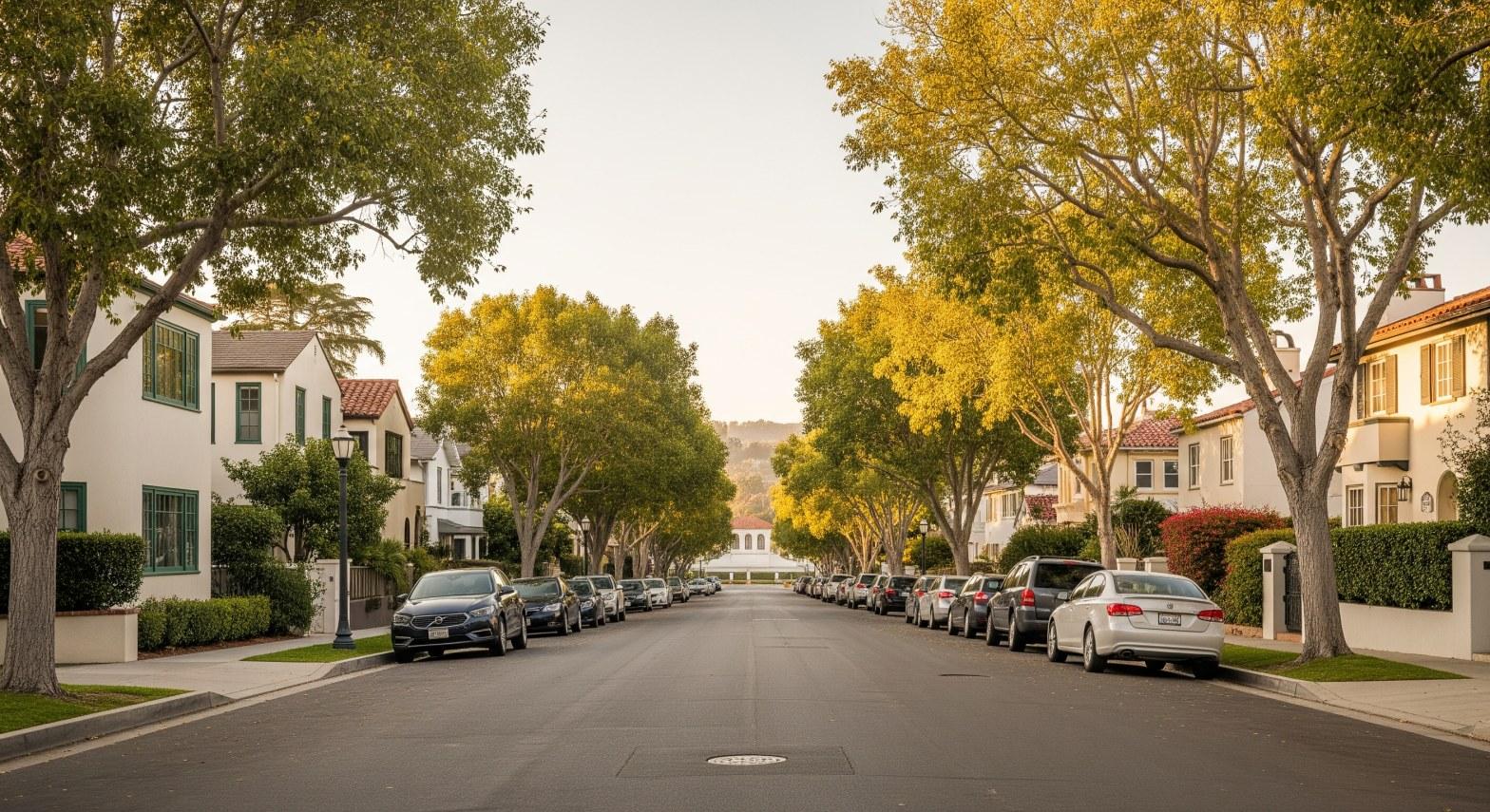
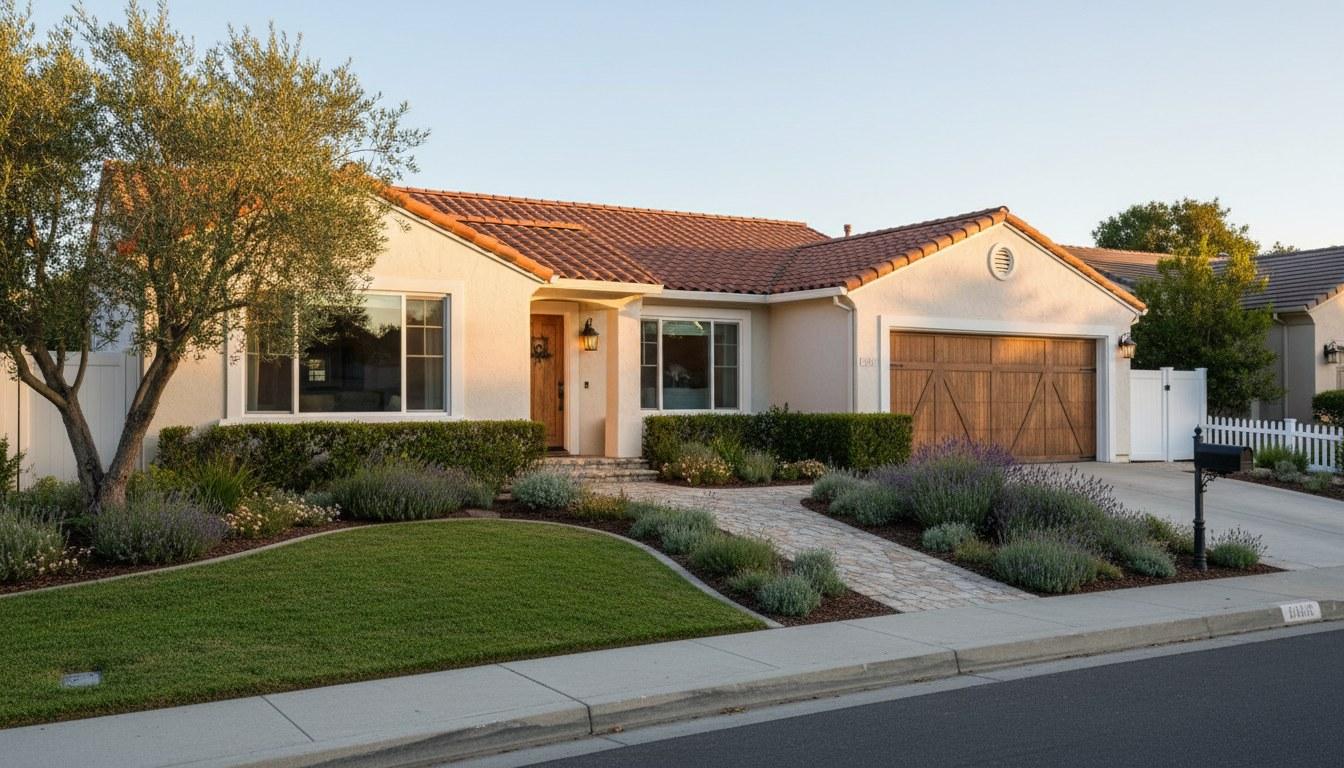
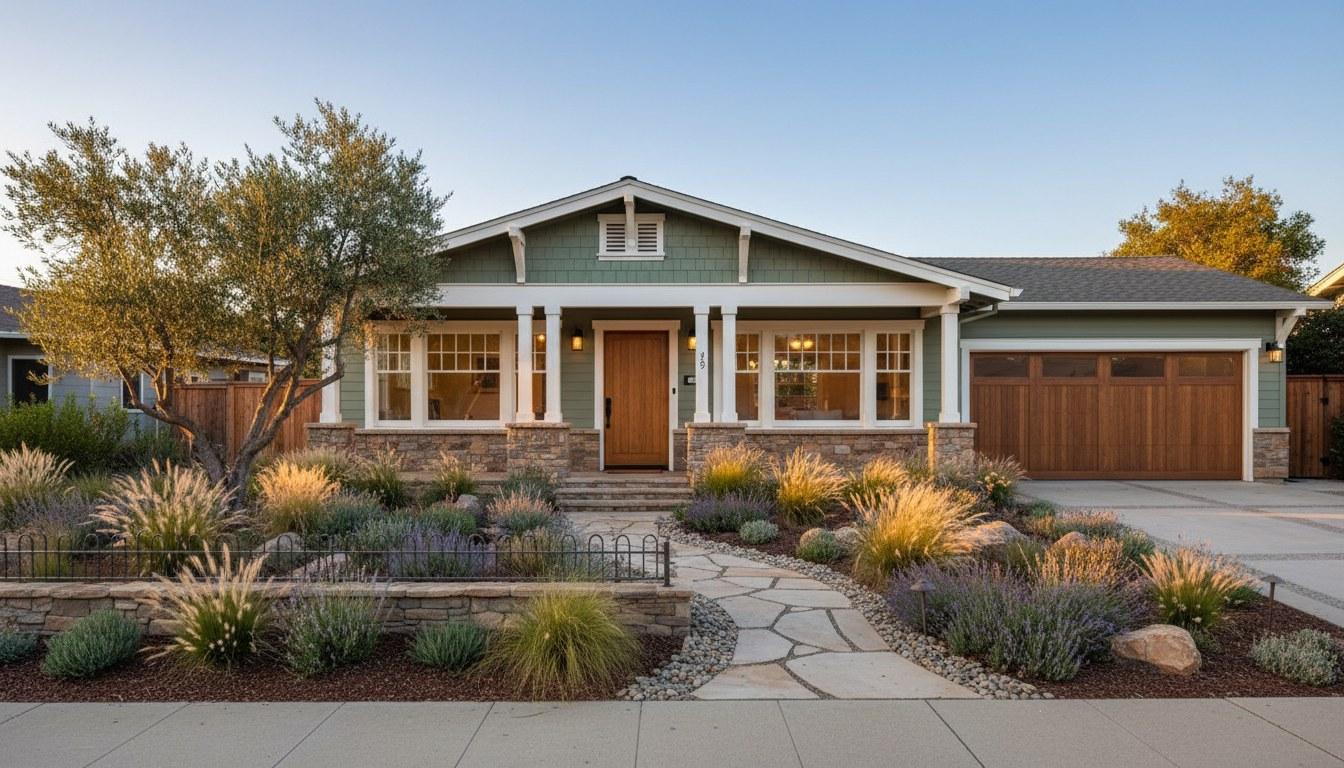
The mild Mediterranean climate draws buyers year-round, which means there is no true off-season here the way there is in colder markets. Spring and early fall tend to see the sharpest competition, especially in the 93105 and 93110 ZIP codes where single-family bungalows and Spanish Colonial Revival homes dominate the housing stock.
Interest rates have also played a role. Since the Federal Reserve’s rate cycle began in 2022, monthly mortgage payments on a $1.2 million home have risen by hundreds of dollars compared to 2021 levels, pushing more buyers toward assistance programs just to qualify. Understanding the full landscape before you start shopping is not optional — it is essential.

What Home Buying Assistance Programs Are Available in Santa Barbara?
California offers several active down payment assistance and first-time home buyer programs in 2026, and Santa Barbara County participates in most of them. The biggest ones are run through the California Housing Finance Agency (CalHFA) and the Santa Barbara County Housing Authority.
Here are the main programs worth knowing:
- CalHFA MyHome Assistance Program: Provides a deferred-payment junior loan of up to 3.5% of the purchase price for down payment or closing costs. Income and purchase price limits apply and are updated annually.
- CalHFA Dream For All Shared Appreciation Loan: As of California’s 2024 program update, this offers up to 20% of the purchase price as a shared appreciation loan for first-time buyers. When you sell or refinance, you repay the original loan plus a share of the home’s appreciation.
- Santa Barbara County HOME Program: Administered locally, this program targets low-to-moderate income buyers and can layer on top of state assistance for additional help at closing.
- California Teacher and Public Employee Programs: Teachers and state employees may qualify for the CalHFA School Teacher and Employee Assistance Program (School Program), which provides junior loan assistance specifically for educators. California teacher home buying assistance through this program has helped hundreds of Santa Barbara Unified School District employees in recent years.
- FHA Loans: Federal Housing Administration loans allow down payments as low as 3.5% and have more flexible credit requirements. They are popular with first-time home buyers in Santa Barbara who cannot meet conventional 20% down payment thresholds.
- USDA and VA Loans: Eligible veterans and rural-area buyers may qualify for zero-down-payment loans through the VA or USDA programs. Some properties near Goleta and unincorporated Santa Barbara County qualify for USDA geographic eligibility.
The Inflation Reduction Act federal tax credit does not directly apply to home purchases, but energy-efficiency upgrades made after buying can qualify for credits of up to $3,200 per year — worth factoring into your total cost planning if you are buying an older home in Eastside or Westside Santa Barbara.
Income limits for most programs in Santa Barbara County are set at 80% to 120% of the Area Median Income (AMI). For a household of two, that range is roughly $90,000 to $135,000 as of 2026, though limits shift annually. Always verify current figures directly with CalHFA or the County Housing Authority before applying.
What Are the Warning Signs Your Home Purchase Is in Trouble?
Several red flags can derail a Santa Barbara home purchase before you reach closing. Catching them early saves thousands of dollars and weeks of stress. Our technicians respond to roughly 3 times more inspection-related referral calls in spring than any other season, which lines up with when buyers rush offers without adequate due diligence.
- Appraisal gap: The home appraises below your offer price. In a competitive market, sellers sometimes reject price reductions, leaving you to cover the gap in cash.
- Contingency removal pressure: A contingency is a condition that must be met for the sale to proceed (inspection, financing, appraisal). Being pressured to waive all contingencies in a multiple-offer situation increases your risk significantly.
- Title issues: Unpaid liens, easements, or ownership disputes on the property’s title can delay or kill a deal. California requires a preliminary title report, but buyers should read it carefully.
- Undisclosed repairs: California law requires sellers to complete a Transfer Disclosure Statement (TDS), but older Santa Barbara homes — many built before 1970 — can have deferred maintenance that is not always fully captured in disclosures.
- Loan pre-approval vs. pre-qualification confusion: Pre-qualification is an estimate based on self-reported numbers. Pre-approval is a lender’s verified commitment. Sellers in Santa Barbara’s 93101 ZIP code almost always require full pre-approval, not just pre-qualification.
- HOA red flags: Many Santa Barbara condos and planned communities have Homeowners Associations (HOAs). High monthly dues, pending special assessments, or underfunded reserves are warning signs that can affect your loan approval and long-term costs.
- Seller concession misunderstandings: A seller assist (also called seller concessions) is when the seller agrees to pay a portion of your closing costs. This is not the same as a price reduction and must be structured correctly in the purchase contract to be usable with your loan type.
| Warning Sign | Likely Cause | DIY or Pro? |
|---|---|---|
| Appraisal comes in low | Offer price exceeded comparable sales (comps) | Pro — negotiate with agent or challenge appraisal |
| Lender delays pre-approval | Incomplete documents or credit issues | DIY first — gather W-2s, tax returns, bank statements; then pro if issues persist |
| Inspection uncovers major repairs | Deferred maintenance on older Santa Barbara housing stock | Pro — request repair credit or renegotiate price |
| Title report shows a lien | Unpaid contractor, tax, or judgment lien on property | Pro — title attorney or escrow officer required |
| HOA special assessment pending | Underfunded reserves or major building repair needed | Pro — review HOA financials with agent before removing contingency |
| Seller pushes to waive contingencies | Competitive offer environment, multiple bids | Pro — agent guidance on acceptable risk level is essential |
What Can You Check and Prepare Yourself Before Making an Offer?
Buyers who do their homework before submitting an offer are far less likely to face surprises in escrow (the neutral third-party process where funds and documents are held until all conditions are met). Most of this preparation takes 2 to 4 weeks and costs little or nothing.
- Pull your credit report. You are entitled to one free report per year from each bureau at AnnualCreditReport.com. Aim for a score above 680 for conventional loans and above 580 for FHA loans. Dispute any errors at least 60 days before applying.
- Calculate your true budget. Use the standard guideline of keeping total housing costs (mortgage, taxes, insurance, HOA) below 28% to 31% of your gross monthly income. Santa Barbara property taxes run roughly 1.1% to 1.25% of assessed value annually.
- Research down payment assistance eligibility. Visit CalHFA’s website and the Santa Barbara County Housing Authority to check income limits, purchase price caps, and required homebuyer education courses (most programs require a 6- to 8-hour certified course).
- Study comps in your target neighborhood. Comps are recent sales of similar homes used to judge fair market value. Look at sold prices in the last 90 days in neighborhoods like the Eastside, Upper State Street corridor, or Goleta for a realistic price baseline.
- Get a full pre-approval letter. Collect your last 2 years of tax returns, 2 months of bank statements, and 30 days of pay stubs. Submit these to your lender before you tour homes so your pre-approval is ready when you find the right property.
- Understand California disclosure norms. California is a full-disclosure state. Sellers must provide a Natural Hazard Disclosure (NHD) report covering fire, flood, and earthquake zones. Santa Barbara’s hillside properties, particularly near the 93103 ZIP code, frequently appear in fire and landslide hazard zones. Review these reports carefully — consult a real estate attorney if you have questions.
According to U.S. Census data, Santa Barbara’s homeownership rate is approximately 35%, well below the national average of 65%. That gap reflects the affordability barrier — and it underscores why first-time home buyer programs and down payment assistance matter so much in this specific market.
Santa Barbara's homeownership rate is approximately 35%, well below the national average of 65%, which is why first-time home buyer programs matter so much in this specific market.
When Should You Call a Real Estate Professional in Santa Barbara?
Call a licensed real estate agent before you submit your first offer — not after. In Santa Barbara’s fast-moving market, buyers who attempt to navigate escrow, contingencies, and seller negotiations without professional representation routinely pay more or lose deals they could have won. Across our service calls in Santa Barbara, we see buyers lose 2 to 4 competitive offers before engaging professional help, adding 3 to 6 months to their timeline unnecessarily.
Buyers who attempt to navigate escrow, contingencies, and seller negotiations without professional representation in Santa Barbara routinely pay more or lose deals they could have won.
You specifically need professional help when:
- You are using an assistance program. Layering CalHFA loans, seller concessions, and a first-time home buyer grant requires precise contract language. One error in the purchase agreement can disqualify your assistance funding.
- You are buying in a high-hazard zone. Properties near the Thomas Fire burn scar areas or in the Montecito hillsides carry specific disclosure and insurance requirements that a local agent will know from experience.
- The seller is in distress. Short sales and probate sales follow different timelines (often 60 to 120 days longer than standard transactions) and require agents familiar with those processes.
- You are relocating from out of state. California real estate law differs significantly from most other states on disclosures, contingency periods (typically 17 days under the standard CAR contract), and escrow procedures.
Make sure any agent you work with is licensed by the California Contractors State License Board (CSLB) and, for real estate specifically, holds an active license with the California Department of Real Estate (CalDRE). You can verify licenses at the CalDRE website before signing any representation agreement.
As of California’s 2024 buyer representation rule changes, buyers must now sign a written buyer representation agreement before touring homes with an agent. Read this agreement carefully — it specifies how your agent is compensated and for how long the agreement runs.
Frequently Asked Questions
How do I get assistance buying a home in Santa Barbara for the first time?
Start by checking your eligibility for CalHFA's MyHome Assistance Program and the Dream For All Shared Appreciation Loan, both of which are active in Santa Barbara as of 2026. You will also need to complete a certified homebuyer education course, which typically runs 6 to 8 hours and can be done online. Contact the Santa Barbara County Housing Authority for locally administered programs that can layer on top of state assistance. Timm Delaney can connect you with the right resources — call (805) 895-1109.
Are there home buying assistance programs for teachers in Santa Barbara?
Yes, California teacher home buying assistance is available through the CalHFA School Teacher and Employee Assistance Program, which provides a junior loan to help cover down payment and closing costs. Santa Barbara Unified School District employees have used this program to buy homes in the 93101 and 93105 ZIP codes. Income and purchase price limits apply, so verify your eligibility at the CalHFA website before you start shopping.
What is a seller assist when buying a home in Santa Barbara?
A seller assist means the seller agrees to pay a portion of your closing costs as part of the purchase agreement. In Santa Barbara, this is sometimes negotiated when a buyer is stretching their budget or using a down payment assistance program. It must be written into the contract correctly to be allowed by your lender — the amount a seller can contribute is capped depending on your loan type, ranging from 3% to 9% of the purchase price.
How much do I need for a down payment on a Santa Barbara home?
Conventional loans typically require 5% to 20% down, while FHA loans allow as little as 3.5% down with a qualifying credit score. On a $1.2 million Santa Barbara home, 3.5% equals $42,000 — a significant amount that down payment assistance programs can help reduce. Some VA and USDA loans allow zero down payment for eligible buyers, though not all Santa Barbara properties qualify for USDA geographic eligibility.
How long does it take to buy a home in Santa Barbara from offer to closing?
A standard Santa Barbara home purchase under the California Association of Realtors contract takes 30 to 45 days from accepted offer to closing. Transactions involving down payment assistance programs can add 10 to 15 business days due to additional lender review. Short sales and probate sales often run 60 to 120 days longer than a standard deal. Having your pre-approval and all financial documents ready before you make an offer is the single best way to keep the timeline on track.