




California Property Tax Reassessment: When It Happens and How It Affects Your Home Sale in Santa Barbara, CA
A home sale in Santa Barbara almost always triggers a full property tax reassessment under California law, and the new bill can be a shock if buyers and sellers are not prepared for it.
What Is Property Tax Reassessment in California and Why Does It Matter in Santa Barbara?
A property tax reassessment california triggers happens almost every time a home changes ownership, and in Santa Barbara, CA, where median home prices regularly exceed $1.5 million, the tax impact can be substantial. Under California’s Proposition 13, passed in 1978, property taxes are based on the assessed value set at the time of purchase, not on current market value. Once you buy a home, that base year value can only increase by a maximum of 2 percent per year until the property sells again.
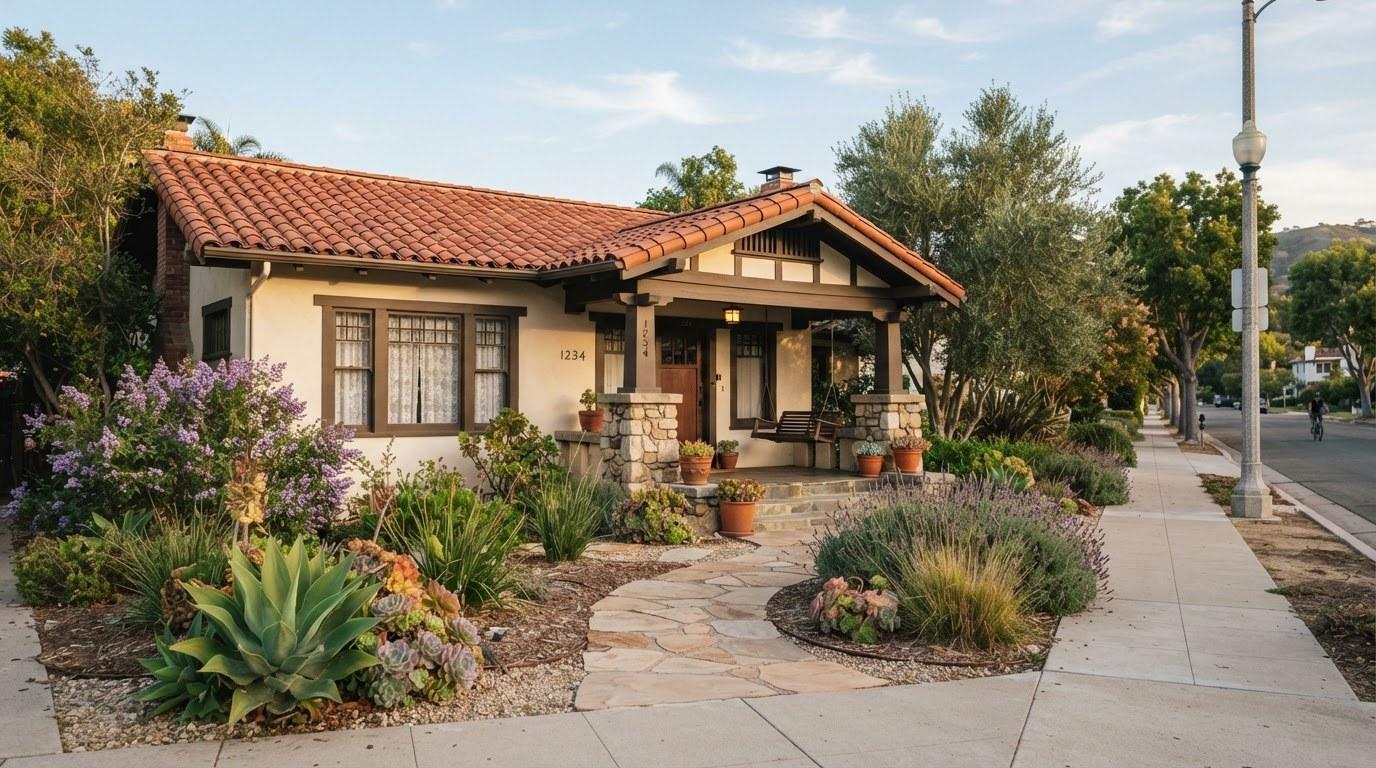
When a sale closes, the county assessor resets the assessed value to the full purchase price. For a buyer paying $1.8 million for a craftsman bungalow in the Riviera neighborhood, that reset can mean an annual tax bill that is two, three, or even four times what the seller was paying if the previous owner had held the property for 20 or 30 years.
Santa Barbara County homes have appreciated sharply since 2010, and many long-time owners carry assessed values far below today’s market. That gap makes reassessment one of the most financially significant events in any local transaction, for buyers and sellers alike.
How Does Property Tax Reassessment California Actually Work Step by Step?
The reassessment process follows a defined legal sequence under California Revenue and Taxation Code Section 110, and it begins the moment escrow closes. Escrow (the neutral third-party account that holds funds and documents until all conditions of a sale are met) closes on the recorded date of the deed transfer. That date is the trigger.
- Deed records: The Santa Barbara County Recorder files the grant deed, which notifies the Assessor’s Office that a change of ownership has occurred.
- Preliminary Change of Ownership Report (PCOR): California law requires the buyer or seller to file a PCOR at closing. This form tells the assessor the sale price, financing terms, and whether any exclusions apply. Missing this form can result in a penalty of up to $100 under California Revenue and Taxation Code Section 480.
- Assessor review: The Santa Barbara County Assessor reviews the PCOR and recorded sale price, then sets the new base year value equal to the purchase price.
- Supplemental tax bills issued: Within roughly 6 to 18 months of closing, the county issues one or two supplemental tax bills covering the period from close of escrow through the end of the fiscal year (June 30). These bills are separate from the regular annual tax bill and often catch new owners off guard.
- New annual bill: Starting with the next fiscal year, the buyer receives a regular annual property tax bill based on the new assessed value, typically at a rate near 1.25 percent of the purchase price when local bonds and special assessments are included.
For a $1.8 million purchase in Santa Barbara, CA, a 1.25 percent effective rate produces an annual tax bill near $22,500. If the seller had an assessed value of $400,000 from a 1995 purchase, they were paying closer to $5,000 per year. That difference is real money for a buyer budgeting monthly housing costs.
For a $1.8 million purchase in Santa Barbara, CA, a 1.25 percent effective rate produces an annual tax bill near $22,500.
In our experience, the listings that create the most buyer confusion are the ones where the current tax bill on the MLS (Multiple Listing Service, the shared database of homes for sale) reflects the seller’s old Proposition 13 base, not what the buyer will actually owe after reassessment.

What Should Santa Barbara Buyers and Sellers Evaluate Before Closing?
Both sides of a Santa Barbara transaction should run a reassessment estimate before finalizing their numbers, because the gap between the seller’s current bill and the buyer’s future bill can affect negotiation, affordability, and net proceeds.
For Buyers
- Calculate your estimated new tax bill: Multiply the purchase price by approximately 1.25 percent to get a ballpark annual figure. Then divide by 12 to see the monthly impact on your housing budget.
- Budget for supplemental bills: Expect one or two supplemental bills in the first 18 months. These are prorated from close of escrow and can each represent several thousand dollars depending on the purchase price and timing within the fiscal year.
- Check for Mello-Roos or special assessments: Parts of Goleta and newer Santa Barbara developments carry Mello-Roos community facility district taxes on top of the base rate. These do not reset at sale but are added to the total bill and should be disclosed in the Natural Hazard Disclosure report.
- Ask about Proposition 19 transfer benefits: As of February 16, 2021, California’s Proposition 19 allows qualifying homeowners who are 55 or older, severely disabled, or victims of a natural disaster to transfer their existing base year value to a replacement home anywhere in California, up to three times. If the seller qualifies and is downsizing, this can affect how they price the home.
For Sellers
- Disclose the current assessed value clearly: California disclosure norms require honest representation of tax information. Showing only the current low bill without context can create friction after a buyer calculates their real cost.
- Understand your own reassessment exposure: If you purchased in the last 3 to 5 years, your assessed value may already be close to market, so the reassessment gap is smaller and less likely to surprise buyers.
- Evaluate Proposition 19 before listing: If you are 55 or older and plan to buy a replacement home in Santa Barbara County or elsewhere in California, consult a tax professional about timing your sale to maximize the base year value transfer. The rules changed significantly as of 2021.
| Factor | Buyer Impact | Seller Impact |
|---|---|---|
| Purchase price triggers new assessed value | Higher annual tax bill than seller’s current bill | Buyers may negotiate harder if tax jump is large |
| Supplemental tax bills | Extra bills within first 18 months post-close | Seller is responsible for taxes through close date only |
| Proposition 19 (as of 2021) | May inherit lower base if buying from qualifying seller | Can transfer base year value to replacement home |
| Mello-Roos or special districts | Added to tax bill; does not reset at sale | Must be disclosed; can affect buyer’s offer |
| PCOR filing requirement | Must file at closing to avoid penalty | Escrow typically handles filing; confirm with escrow officer |
What Are the Most Common Mistakes Santa Barbara Homeowners Make with Reassessment?
The most frequent mistake is assuming the tax bill shown on the MLS or county records is what the buyer will pay after closing, when in most Santa Barbara transactions it is far lower than the post-sale figure.
- Ignoring supplemental bills: New buyers sometimes miss the supplemental bill because it arrives at a different time than the regular annual bill and is addressed differently by the county. Unpaid supplemental bills accrue penalties quickly.
- Missing the PCOR deadline: The Preliminary Change of Ownership Report should be filed at close of escrow. Delays or omissions can slow the assessor’s process and create follow-up paperwork.
- Skipping a Proposition 19 review for eligible sellers: Sellers who qualify for the base year value transfer sometimes list and close without realizing they could have locked in a significant tax advantage on their next home. Once the window closes, the opportunity is gone.
- Confusing assessed value with appraised value: The county assessed value (used for tax purposes) and a lender’s appraised value (used for loan underwriting) are separate figures calculated by different parties for different purposes. Mixing them up causes errors in buyer cost estimates.
- Underestimating the tax bill in Goleta or Hope Ranch: Properties in areas like Goleta real estate or the Hope Ranch enclave near Santa Barbara can carry additional district assessments. Buyers focused on the base rate alone sometimes underbudget by hundreds of dollars per month.
When Should You Involve a Real Estate Professional in Santa Barbara, CA?
A knowledgeable real estate professional should be part of the conversation before you list or make an offer, not after the supplemental bill arrives. Property tax reassessment in California intersects with pricing strategy, disclosure obligations, and buyer affordability in ways that affect negotiation outcomes.
For sellers, an agent who understands the local Santa Barbara market can help frame the reassessment gap honestly in marketing materials, so buyers are not surprised and deals do not fall apart in escrow. For buyers, an agent can flag Mello-Roos districts, pull the current assessed value from county records, and help you model the real monthly cost of ownership before you write an offer.
Agents who work regularly in Santa Barbara, CA, including neighborhoods like the Mesa, Eastside, Montecito, and the corridors feeding into Goleta real estate, see reassessment questions come up in nearly every transaction. The stakes are high because the numbers are high: a $100,000 difference in purchase price translates to roughly $1,250 more per year in property taxes at a 1.25 percent effective rate.
A $100,000 difference in purchase price translates to roughly $1,250 more per year in property taxes at a 1.25 percent effective rate.
If you have questions about Proposition 19 eligibility, base year value transfers, or whether a short sale or foreclosure situation in Santa Barbara affects reassessment timing, those questions belong with a licensed California real estate professional and, for tax-specific advice, a CPA or tax attorney. A real estate agent can identify the issue and point you to the right resource; they cannot give legal or tax advice.
Get Help with Your Santa Barbara Home Sale Today
Property tax reassessment is one of the most consequential financial events in any California home sale, and it deserves careful attention before you close. Whether you are buying your first home near the Mesa, selling a long-held property in the Riviera, or exploring Goleta homes for sale, understanding what your tax bill will look like after the deed records protects your budget and your negotiating position.
Contact Timm Delaney for seller resources, buyer consultation, and transaction guidance specific to Santa Barbara, CA. Call (805) 895-1109 to talk through your situation and get a clear picture of what property tax reassessment means for your next move.
Frequently Asked Questions
When does property tax reassessment happen in California after a home sale?
In California, property tax reassessment is triggered on the date the deed records with the county, which is typically the close of escrow. The Santa Barbara County Assessor then sets the new base year value equal to the purchase price. Supplemental tax bills usually arrive within 6 to 18 months after closing.
How much will my property taxes go up after I buy a home in Santa Barbara?
Your new annual property tax bill will be based on your purchase price, not the seller's old assessed value. In Santa Barbara County, the effective rate including local bonds and special assessments is typically near 1.25 percent of the purchase price. On a $1.5 million home, that works out to roughly $18,750 per year, which may be significantly higher than what the seller was paying under Proposition 13.
What is a supplemental tax bill and do I have to pay it?
A supplemental tax bill is a separate charge issued by the county to cover the difference between the seller's old assessed value and your new purchase price, prorated from the close of escrow through the end of the fiscal year on June 30. Yes, you are required to pay it. Missing it results in penalties, so watch for it in your mail in the months after closing.
Does selling a home in Santa Barbara trigger a property tax reassessment for the seller?
The reassessment applies to the buyer, not the seller. The seller's Proposition 13 base year value ends when they transfer ownership. However, if the seller is 55 or older or qualifies under another Proposition 19 category, they may be able to transfer their existing low base year value to a replacement home anywhere in California, potentially saving thousands per year on their next property.
Can I appeal my property tax reassessment in Santa Barbara County?
Yes. If you believe the county assessor set your new assessed value above the actual fair market value of your home, you can file an assessment appeal with the Santa Barbara County Assessment Appeals Board. The appeal window is generally 60 days from the date the supplemental tax bill is mailed or 60 days from the date of a notice of assessed value, whichever applies. Timm Delaney can help you understand the process and connect you with the right local resources. Call (805) 895-1109 for guidance.