




California Coastal Real Estate: How Wildfire and Flood Zone Designations Affect Your Offer in Santa Barbara, CA
Natural hazard disclosures can make or break a real estate deal in Santa Barbara, CA. This guide explains what wildfire and flood zone designations mean for buyers and how to protect yourself before you close.
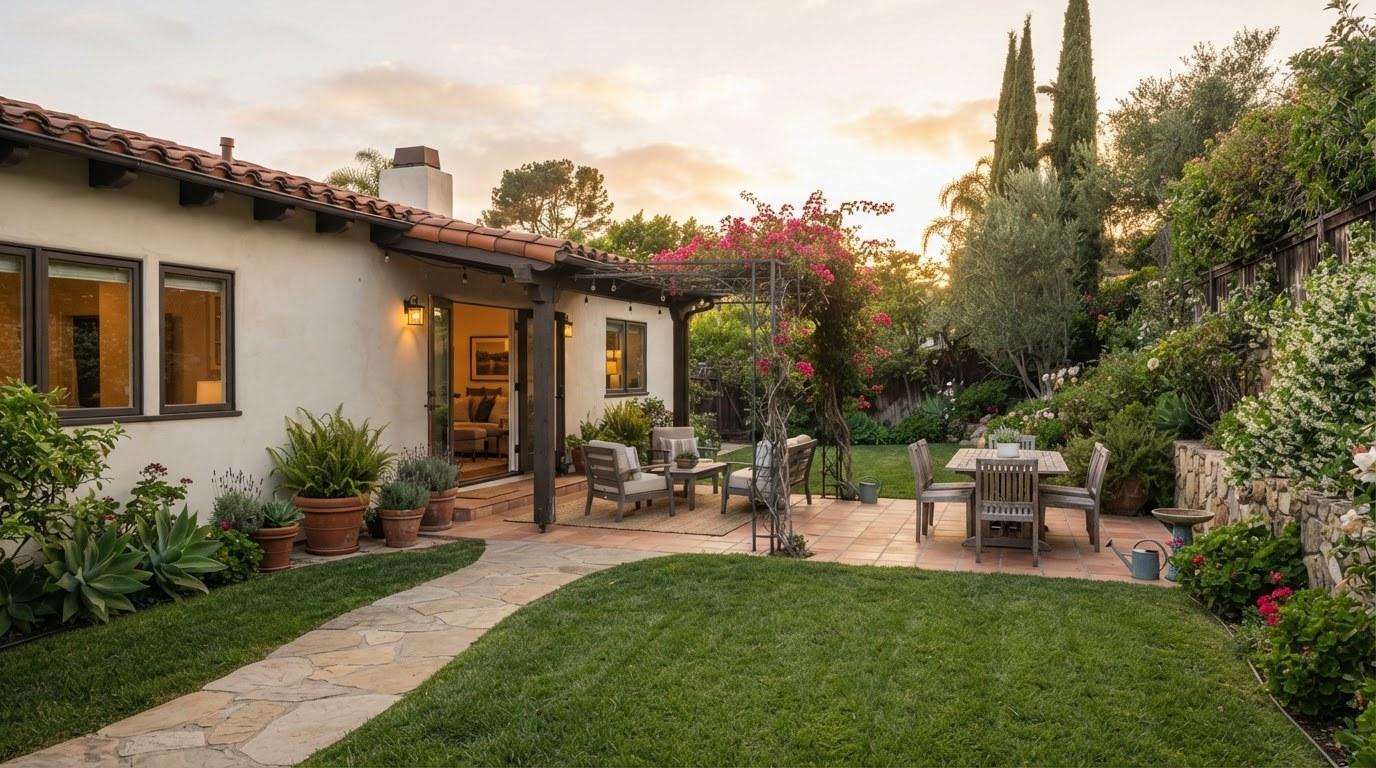
What Is Wildfire Flood Zone Disclosure in California Real Estate?
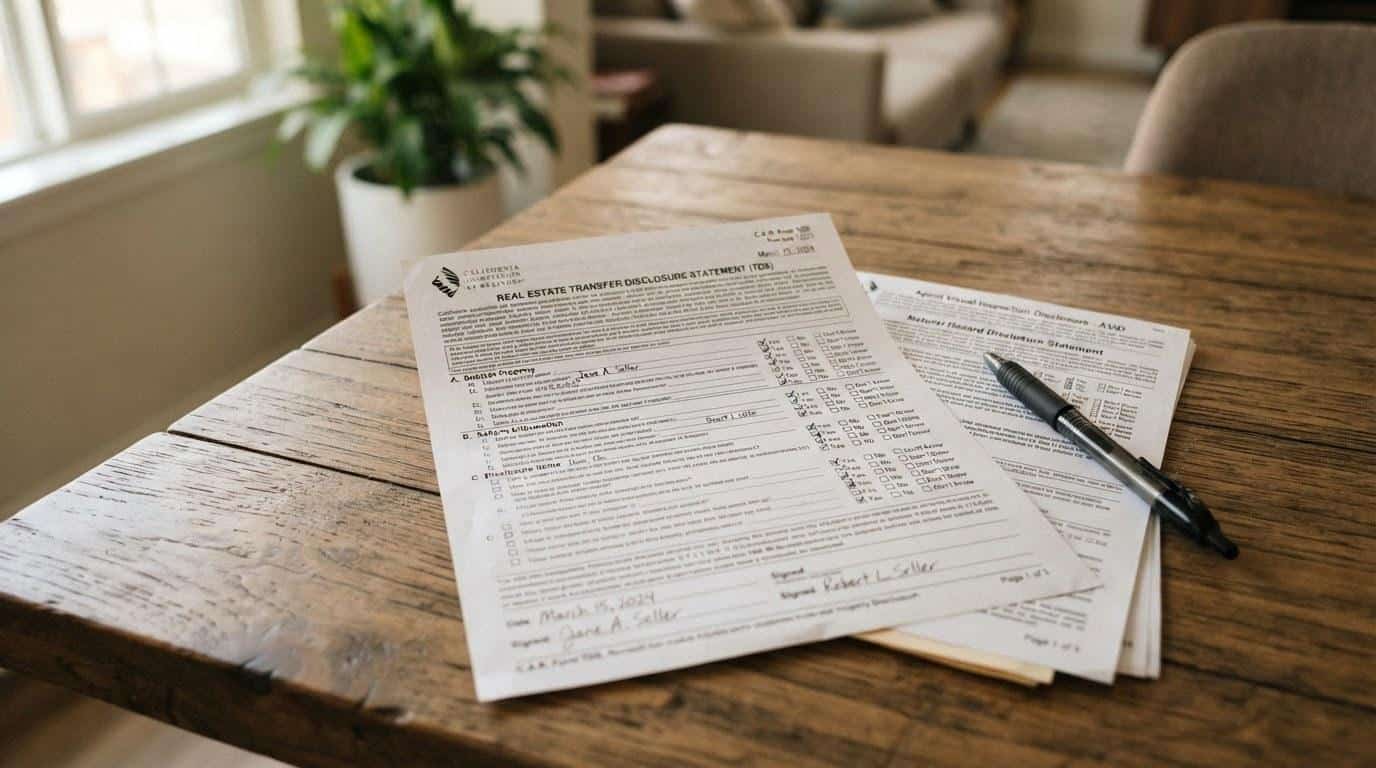
Wildfire flood zone disclosure in California real estate is a legal requirement that sellers must hand buyers a Natural Hazard Disclosure (NHD) Statement before escrow (the neutral third-party account that holds funds until a sale closes) is finalized. This document identifies whether a property sits inside a state-designated hazard zone. California Civil Code Section 1103 has required this disclosure since 1998, and the rules have expanded significantly following major fire events across the state.
The NHD Statement covers six primary hazard categories, but for coastal buyers in Santa Barbara, CA, two carry the most weight: Special Flood Hazard Areas mapped by FEMA and State Responsibility Areas (SRAs) or Very High Fire Hazard Severity Zones (VHFHSZs) designated by CAL FIRE. A property can fall into one, both, or neither of these categories, and each outcome changes what you owe, what you pay for insurance, and what you can negotiate.
First-time buyers especially often receive this packet and set it aside without reading it closely. That is a costly mistake in a market like Santa Barbara, where terrain shifts from beachfront flats to steep canyon foothills within just a few miles.
How Do Wildfire and Flood Zone Designations Work in Santa Barbara, CA?
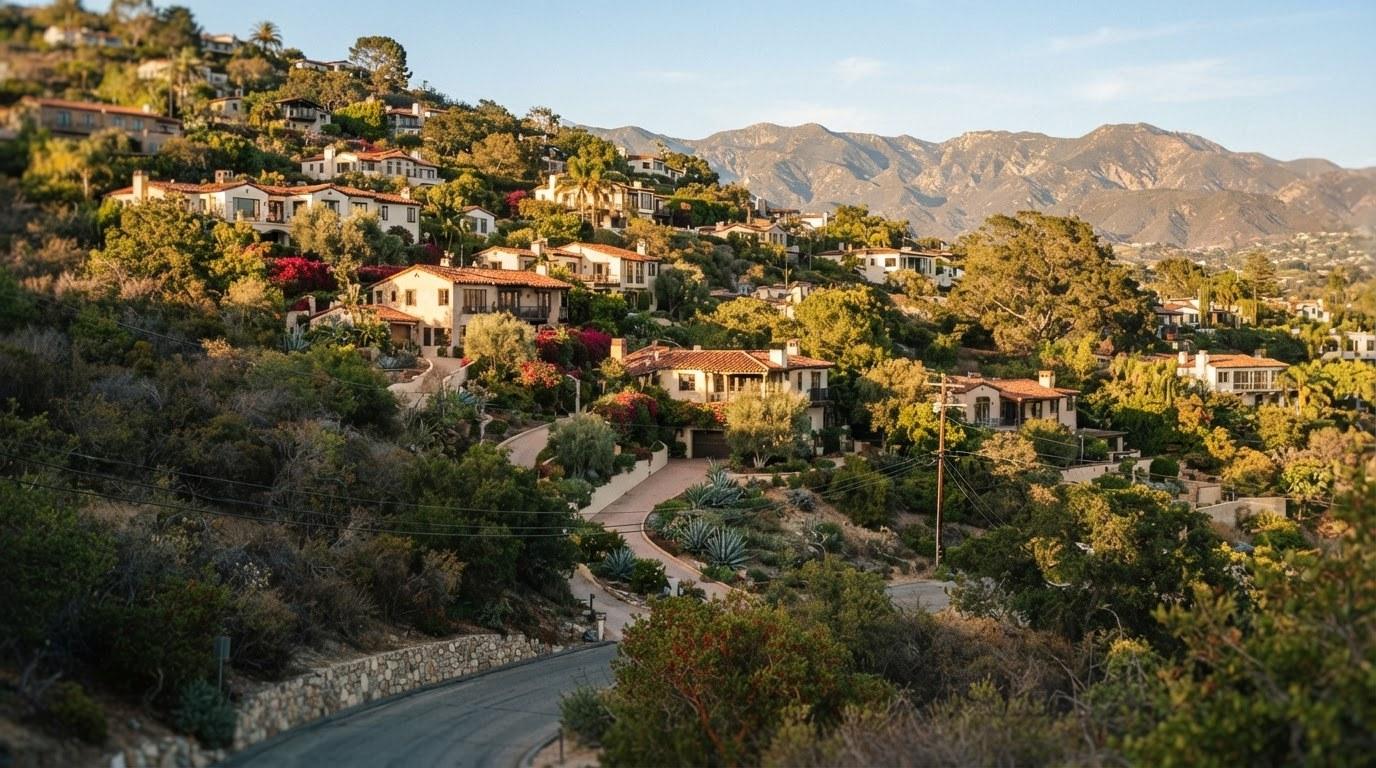
Santa Barbara, CA sits inside one of California’s most complex natural hazard landscapes. The CAL FIRE Fire Hazard Severity Zone map places large portions of the foothills above Highway 192, the Riviera, and canyon neighborhoods like Painted Cave and San Roque in High or Very High zones. At the same time, low-lying areas near the Goleta Slough, Carpinteria Creek, and portions of the Eastside fall within FEMA Special Flood Hazard Areas.
CAL FIRE updates its VHFHSZ maps on a rolling basis. As of 2024, the agency completed a statewide remapping effort that reclassified thousands of parcels, including some in the greater Santa Barbara and Goleta real estate markets. A home that was outside a fire zone five years ago may now be inside one. Always request a current NHD report, not one recycled from a prior listing.
FEMA flood maps work on a separate track. Properties in a Special Flood Hazard Area (the 100-year floodplain, also called Zone A or Zone AE) require federally backed flood insurance if the buyer uses a government-backed mortgage. FEMA’s Flood Map Service Center lets you look up any address before you make an offer. Flood insurance through the National Flood Insurance Program (NFIP) typically adds between $800 and $2,500 per year to carrying costs, depending on the structure’s elevation and flood zone class.
Flood insurance through the National Flood Insurance Program typically adds between $800 and $2,500 per year to carrying costs, depending on the structure's elevation and flood zone class.
The 2018 Thomas Fire and the 2018 Montecito debris flow that followed are a sharp reminder of how quickly hazard conditions can escalate along this coastline. Properties in burn scars carry elevated debris-flow and flood risk for 3 to 5 years after a fire event, even if they are not formally mapped in a flood zone. In our experience, the listings that surprise buyers most are the ones where a prior burn scar overlaps with a drainage channel that does not appear on the FEMA map.
How Does a Hazard Zone Designation Change Your Offer?
A wildfire or flood zone designation can affect your offer in at least four concrete ways: insurance cost, loan eligibility, negotiating leverage, and resale risk. Understanding each one before you write an offer puts you in a much stronger position.
Insurance Costs
California’s insurance market has shifted sharply since 2020. Several major carriers have stopped writing new homeowner policies in high fire-risk ZIP codes, including parts of 93105, 93108, and 93111. Buyers in VHFHSZ-designated properties may need to use the California FAIR Plan (the state’s insurer of last resort) as a base policy, then layer a separate “Difference in Conditions” (DIC) policy on top for full coverage. Combined, these policies can cost two to four times what a standard policy costs in a lower-risk zone. Request insurance quotes before your contingency (the contract clause that lets you back out without penalty) deadline, not after.
Loan Approval
Lenders underwriting FHA, VA, or conventional loans backed by Fannie Mae or Freddie Mac require proof of hazard insurance before funding. If you cannot obtain a policy at a cost your budget supports, the loan can fall apart. Some lenders also apply additional scrutiny to properties in FEMA Zone AE, requiring an elevation certificate (a survey document showing the structure’s height relative to the base flood elevation) before approving the loan.
Negotiating Leverage
A hazard designation is not automatically a deal-breaker, but it is a legitimate basis for negotiation. Buyers can request a price reduction to offset higher insurance costs, ask the seller to fund a defensible space inspection (required under California Public Resources Code Section 4291 within 100 feet of a structure in an SRA), or request that the seller complete required vegetation clearance before close. Sellers of foreclosed homes in Santa Barbara (sometimes called REO homes, short for Real Estate Owned by a lender) often sell as-is, which makes the NHD review even more critical because there is no seller to negotiate repairs with.
Resale Risk
Homes in Very High Fire Hazard Severity Zones have seen longer days on market (DOM, the number of days a listing is active before going under contract) in some Santa Barbara neighborhoods since 2022, as buyers price in insurance uncertainty. That trend can affect your exit value if you plan to sell within 5 to 7 years.
Homes in Very High Fire Hazard Severity Zones have seen longer days on market in some Santa Barbara neighborhoods since 2022, as buyers price in insurance uncertainty.
| Designation | Who Maps It | Key Buyer Impact | Action Before Offer |
|---|---|---|---|
| Very High Fire Hazard Severity Zone (VHFHSZ) | CAL FIRE | Higher insurance cost; FAIR Plan likely required | Get insurance quotes; review defensible space compliance |
| Special Flood Hazard Area (Zone AE) | FEMA | Flood insurance required for federally backed loans | Check FEMA map; request elevation certificate |
| State Responsibility Area (SRA) | CAL FIRE | Annual SRA fee; vegetation clearance obligations | Confirm fee amount and clearance status with seller |
| Earthquake Fault Zone | California Geological Survey | Structural review recommended | Review NHD and consider geological inspection |
What Are the Most Common Mistakes Santa Barbara Buyers Make with Hazard Disclosures?
The single most common mistake is waiving or rushing through the NHD review period to compete in a fast-moving market. In a competitive Santa Barbara offer situation, buyers sometimes shorten contingency periods to look more attractive, but cutting the NHD review short can leave you committed to a property whose insurance costs or clearance obligations you did not fully price in.
- Using an outdated NHD report: NHD reports are typically valid for 90 days, but CAL FIRE and FEMA maps can change. Always confirm the report date and request a fresh one if the listing has been sitting longer than 3 months.
- Skipping the insurance quote step: Some buyers assume they will sort out insurance after the offer is accepted. In high fire-risk zones, getting a bindable quote before you remove your financing contingency is essential, because an uninsurable property can kill the loan.
- Ignoring the SRA fee: Properties in State Responsibility Areas owe an annual fire prevention fee. As of 2024, this fee structure has been modified under California law, but buyers should confirm the current obligation with their agent and a tax professional rather than assuming it no longer applies.
- Not reading the full NHD packet: The NHD Statement covers six hazard categories. Buyers often focus on fire and flood but overlook Seismic Hazard Zones (liquefaction and landslide risk) and Dam Inundation Areas, both of which are relevant in parts of Santa Barbara and Goleta.
- Assuming foreclosed homes are exempt: Santa Barbara foreclosure homes and REO properties are still subject to California’s NHD disclosure requirements. The lender-seller must provide the same disclosure a traditional seller would. If the report is missing or incomplete, that is a red flag worth raising before you proceed.
When Should You Involve a Real Estate Agent in Santa Barbara, CA?
Involve a local agent before you write your first offer, not after you find a property you love. An agent who works the Santa Barbara, CA market regularly knows which neighborhoods and ZIP codes carry the highest likelihood of VHFHSZ or flood zone designations, and can flag those factors before you spend time and money on inspections.
Local knowledge matters here in ways that national real estate portals simply cannot replicate. A portal can show you a listing in Goleta or on the Riviera, but it cannot tell you that the parcel backs up to a drainage easement that has flooded twice in the last decade, or that the canyon directly upslope burned in 2017 and the slope is still considered unstable by the county. That kind of context comes from working transactions in this specific market.
An agent can also help you structure contingencies correctly. Under California’s Residential Purchase Agreement (the standard contract used in most transactions), buyers have a default inspection contingency period of 17 days. Your agent can advise whether to use that window to obtain insurance quotes, an elevation certificate, or a defensible space inspection, and how to negotiate with the seller if those results come back with concerns.
For first-time buyers using a government-backed loan program, the stakes are even higher. HUD-approved housing counseling is available and can help you understand how hazard zone designations interact with your loan type before you are under contract. Pairing that resource with a knowledgeable local agent gives you the most complete picture.
Sellers, including those considering a short sale or listing a property that has been through foreclosure, also benefit from early agent involvement. Providing an accurate and complete NHD Statement protects sellers from post-closing liability and reduces the chance of a deal falling apart in escrow over a disclosure gap.
Get Help Navigating Hazard Disclosures in Santa Barbara, CA
Natural hazard disclosures are one of the most consequential documents in any California real estate transaction, and they deserve more than a quick scan. Whether you are buying a beachfront home, a gated community property, or a hillside house in the foothills above Santa Barbara, CA, the wildfire flood zone disclosure in California real estate rules apply, and the financial stakes of misreading them are real.
Contact Timm Delaney to review your NHD Statement, understand what a hazard zone designation means for your specific offer, and negotiate with the full picture in front of you. Call (805) 895-1109 to schedule a buyer consultation focused on your Santa Barbara, CA purchase.
Frequently Asked Questions
Do sellers in Santa Barbara have to tell me if a home is in a wildfire or flood zone?
Yes. California law requires sellers to provide a Natural Hazard Disclosure Statement before escrow closes, and that document must identify whether the property sits in a Very High Fire Hazard Severity Zone, a Special Flood Hazard Area, or other designated zones. This applies to nearly all residential sales in Santa Barbara, CA, including REO and foreclosure properties. If a seller fails to provide this disclosure, they can face legal liability after the sale closes.
How do I find out if a home I want to buy in Santa Barbara is in a fire or flood zone?
You can look up fire hazard severity zones on the CAL FIRE website and flood zones on FEMA's Flood Map Service Center using the property address. Your agent should also order a third-party Natural Hazard Disclosure report as part of the transaction, which compiles all six state-required hazard categories into one document. In Santa Barbara, CA, many hillside and canyon properties fall into fire zones, while low-lying areas near creeks and the Goleta Slough may carry flood designations.
Will being in a fire or flood zone stop me from getting a home loan in Santa Barbara?
A hazard zone designation does not automatically disqualify you from a loan, but it can complicate approval. Lenders require proof of hazard insurance before funding, and if you cannot obtain a standard homeowner policy at a workable cost, the loan can fall apart. Properties in FEMA Special Flood Hazard Areas also require flood insurance if you use a federally backed mortgage. Getting insurance quotes before your contingency deadline is the key step.
Can I negotiate a lower price if a Santa Barbara home is in a wildfire or flood zone?
Yes, a hazard zone designation is a legitimate basis for negotiation. Buyers can request a price reduction to offset higher insurance costs, ask the seller to complete required defensible space clearance before close, or request credits toward insurance or an elevation certificate. A local Santa Barbara agent familiar with these designations can help you frame the negotiation in a way that holds up within the standard California Residential Purchase Agreement.
What is the California FAIR Plan and do I need it if I buy a home in a Santa Barbara fire zone?
The California FAIR Plan is the state's insurer of last resort for properties that private carriers decline to cover. If a home in Santa Barbara sits in a Very High Fire Hazard Severity Zone and standard insurers will not write a policy, the FAIR Plan provides basic fire coverage. Most buyers in this situation also need a separate Difference in Conditions policy to cover liability, theft, and water damage that the FAIR Plan does not include. Combined, these two policies typically cost more than a standard homeowner policy, so getting quotes before you remove your contingencies is important.